


Skip to content

When the Clock Stops

WASD to move, mouse to look, left click to catch, right click to throw, C to crouch, Space to jump.

What is When the Clock Stops?

When the Clock Stops is a first-person horror game built on one nasty idea: you are trapped in a basement with something under the floorboards, it is permanently hungry, and your only job is to keep it satisfied. Insects are the food, the currency and the lifeline, all at once.

The loop is small and it tightens fast. Scour the dark corners for insects, pile them up, then spend what little you earn on upgrades that slow the march of the clock — and do it again with less time and less patience than before. The ticking never stops being audible, which is exactly the point.

It sits close to Cobb Can Move on the shelf: no combat, no safe room, just resource pressure and a countdown that treats hesitation as a decision.
How to play When the Clock Stops

The first cycle is the tutorial. Use it well.

1

Learn the house before you need to

WASD moves, the mouse looks, left click catches, right click throws, C crouches and Space jumps. Walk the whole floor once while it is still calm so you are not learning the layout under pressure.

2

Collect the insects

Bugs are your currency. They appear around the rooms — pick up everything you pass rather than making a second trip for one you skipped.

3

Feed what lives below

Pile the insects up where the hunger can reach them. That pile is the only thing between you and the pit — a cycle where you fail to feed it is a cycle you do not get back.

4

Spend on upgrades early

Upgrades compound. Something that saves ten seconds per trip is worth far more on cycle two than on cycle six, so buy sooner than feels comfortable.

Tips for buying more time

01

Plan a route, not a search

Wandering costs more than any single mistake. Fix a circuit through the dark corners and repeat it — you will collect more per minute than by chasing whatever you happen to notice.

02

Carry full loads

Catching is fast; hauling is not. Grab everything within reach before you commit to a trip back to the pile, because that walk costs the same whether you are carrying one insect or an armful.

03

Use the sound

The audio tells you how much of the cycle is left and when something has changed. Playing muted removes the game's main warning system.

04

Do not freeze when the ticking ends

The moment the clock stops is the moment the game is actually about. Know where you want to be standing before it arrives.

When the Clock Stops at a glance

01

Developer

Made by st1sdan and built in the Godot engine. No generative AI was used in it.

02

Look

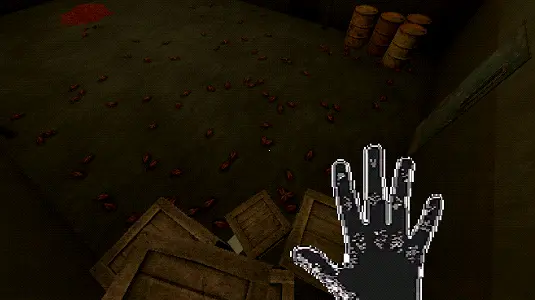
Deliberate PS1-era horror: low-poly rooms, heavy grain, and a draw distance that ends wherever your flashlight does.

03

Loop

Catch insects, throw them onto the pile, feed what lives under the floorboards, then spend what you earn before the countdown runs out.

04

Upgrades

An insect incubator, a stronger flashlight, and upgrades that slow the clock itself. All three compound, so buying early beats buying big.

05

Genre

Horror crossed with an incremental game: the numbers keep growing while the situation keeps getting worse.

06

Status

Still in development — st1sdan is working towards a full version, so builds change between visits.

07

Price

Free. The browser build runs here; a Windows download sits on st1sdan’s itch.io page.

Upgrades, and what the clock actually means

Every insect you deliver becomes currency, and there are three things worth spending it on. They are not equal.

The incubator is the purchase that changes a run. Instead of hunting every insect by hand you start producing them, which turns a frantic search into a supply line. The flashlight is less exciting and nearly as important: more light means fewer wasted steps, and wasted steps are the only currency that really matters here. Time upgrades slow the countdown itself — the most direct purchase in the game, and the one you can afford last.

Buy in that order and each cycle funds the next. Buy nothing and you are still catching insects by hand on the cycle where the house stops being generous.

As for the title: when the ticking ends, the pit opens. Everything you do in a run is spent postponing that moment. It arrives anyway — the only question is whether you are standing somewhere useful when it does.

When the Clock Stops screenshots

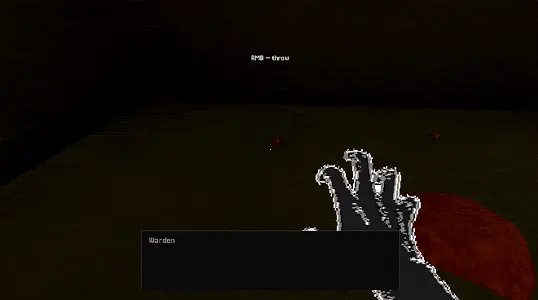
When the Clock Stops gameplay in a dim room of the house
The house is dark, cramped, and never quiet.
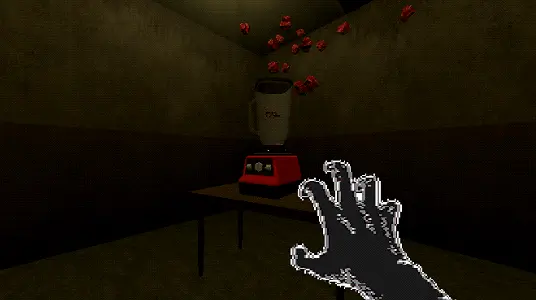
When the Clock Stops gameplay showing a blender and swarming red insects
Insects are the currency. Everything runs on them.
When the Clock Stops basement scene
Every delivery buys minutes you immediately spend.

When the Clock Stops FAQ